Building a custom home is one of the biggest projects most homeowners will ever take on. It is exciting, personal, and full of possibilities — but it also takes careful planning, the right team, and a clear understanding of the process before work begins.
At Cabin Run Construction, we believe a successful custom home starts long before the first wall goes up. From choosing land to preparing the site, coordinating permits, and making smart design decisions, each step matters.
Start With the Land
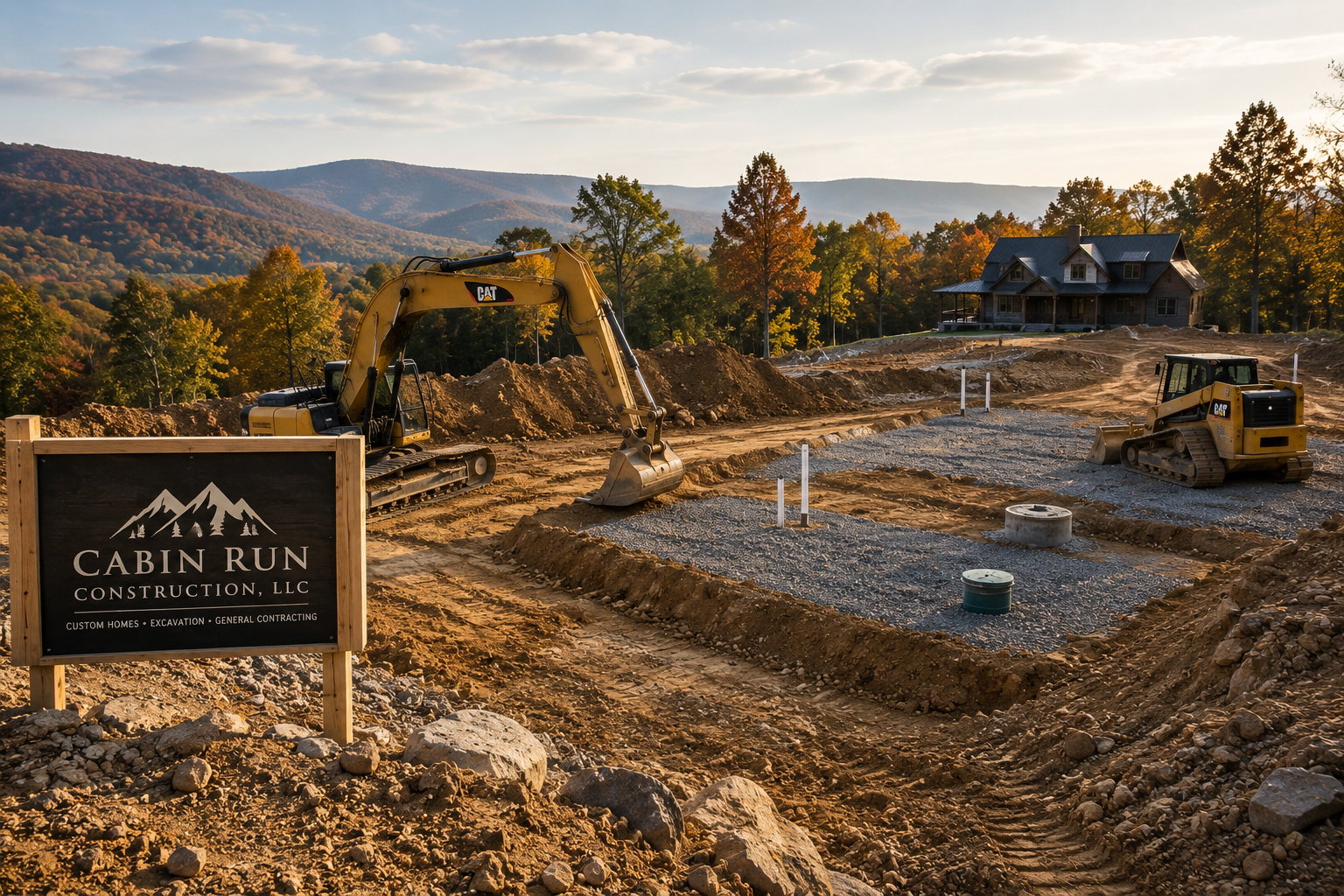
Before designing the home itself, it is important to understand the land where it will be built. Every property is different. Slope, access, soil conditions, drainage, utilities, septic needs, driveway placement, and clearing requirements can all affect the final design and construction cost.
A beautiful piece of land may still require significant preparation before it is ready for a home. That is why early site planning is so important. Looking at the property carefully in the beginning helps avoid surprises later.
Think Through How You Will Use the Home
A custom home should be designed around the way you actually live. Before construction begins, think about your daily routines, family needs, storage, outdoor spaces, parking, future plans, and how you want the home to feel.
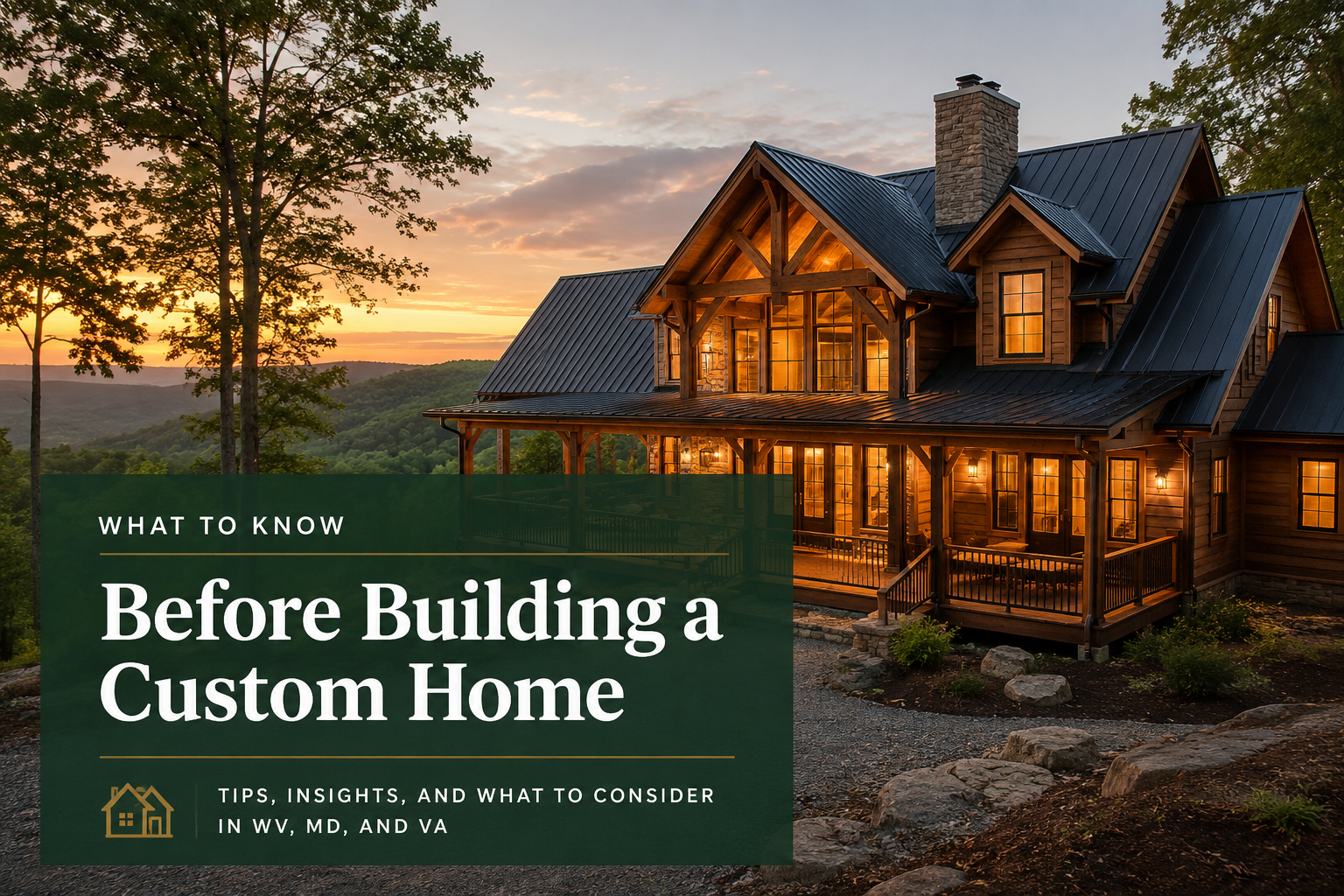
Some homeowners want a rustic cabin-style retreat. Others want a premium custom home with modern finishes and large gathering spaces. Some need a practical full-time residence with room to grow. The best custom homes balance comfort, function, and long-term value.
Understand the Importance of Site Work
Site work is one of the most important parts of a construction project. Clearing, excavation, roadways, driveways, foundations, septic systems, and utility access all help determine how smoothly the project moves forward.
When site work is planned correctly, the build is easier to manage. When it is overlooked, it can lead to delays, added costs, and unnecessary stress. Working with a contractor who understands both construction and land preparation can make a major difference.
Plan for Permits Early
Permits are another key part of the process. Depending on the property and location, a project may require building permits, septic approval, well permits, driveway permits, and other local approvals.
Starting this process early helps keep the project on track. It also gives homeowners a clearer picture of what is required before major construction decisions are made.
Choose a Builder Who Communicates Clearly
A custom home project involves many moving pieces. Good communication helps homeowners understand what is happening, what decisions need to be made, and what comes next.
The right builder should be able to explain the process, answer questions, and help guide the project from planning through completion. Quality craftsmanship matters, but so does trust, organization, and clear communication.
Build for Long-Term Value
A custom home should be built to last. That means choosing durable materials, practical layouts, quality construction methods, and designs that will serve the homeowner well for years.
Trends come and go, but good craftsmanship, thoughtful planning, and attention to detail never go out of style.
Ready to Talk About Your Custom Home?
Whether you are planning a new custom home, preparing land for construction, or exploring what is possible on your property, Cabin Run Construction can help guide the process.
Based in Romney, West Virginia, Cabin Run Construction provides custom home building, general contracting, excavation, permitting support, septic system services, and residential construction support throughout West Virginia, Maryland, and Virginia.
Every great build starts with a conversation. Contact Cabin Run Construction today to discuss your project and the next steps.